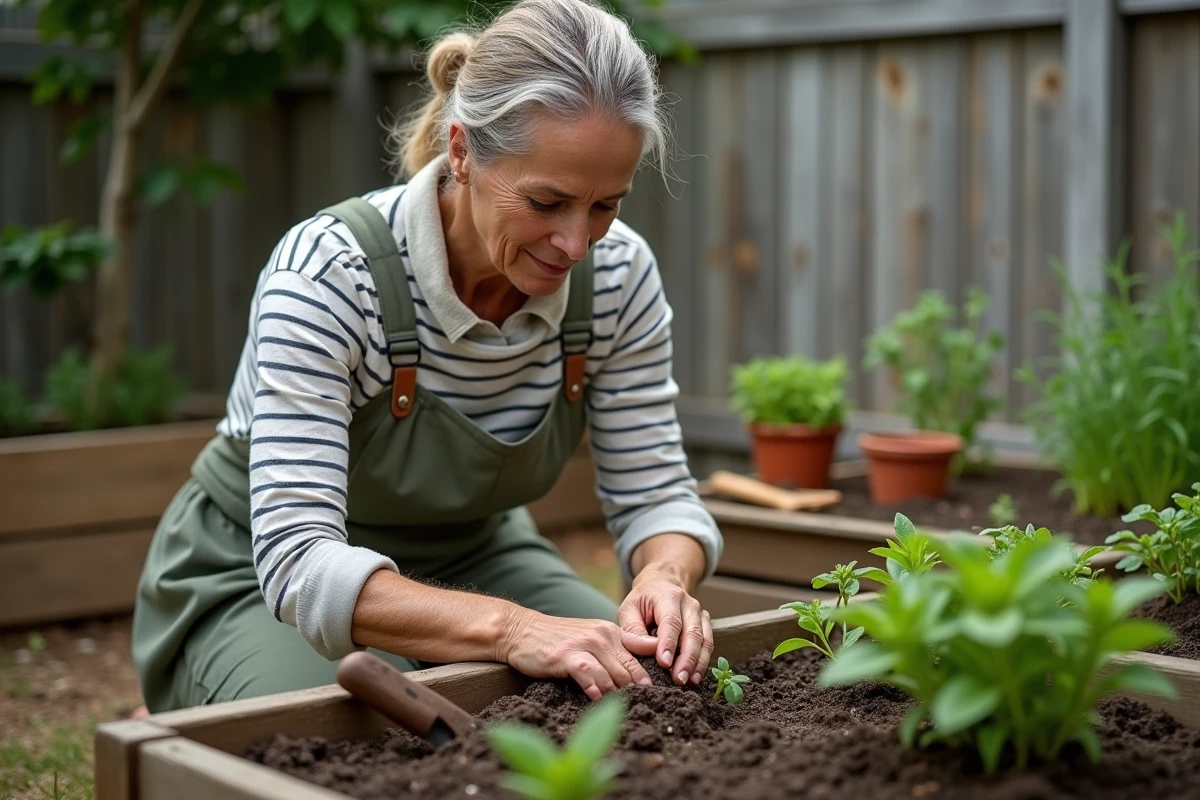
A wooden box filled with potting soil, three packets of seeds placed beside it, and after two weeks, nothing emerges. This scenario discourages many beginners, while the problem rarely lies with the seeds. The preparation of the soil is underestimated, watering is done at the wrong time, and plants are spaced too closely. Succeeding in your vegetable garden as a beginner depends less on the choice of vegetables than on a handful of technical gestures that are often overlooked.
Prepare the vegetable garden soil before sowing anything
Most beginner guides start with a list of easy vegetables. We suggest reversing the logic: a well-prepared soil limits the majority of failures in the vegetable garden, regardless of what is planted.
Before sowing, observe the soil. Take a handful of moist soil and squeeze it. If it forms a compact ball that does not break apart, the soil is too clayey to be worked as is. If it crumbles between your fingers without forming a ball, it is too sandy and will not retain water well.
In both cases, the solution involves adding organic matter: homemade compost, composted manure, or leaf mold. Incorporate it on the surface for a few centimeters, without turning the soil deeply. A light raking is sufficient. Turning with a spade disrupts the microbial life of the soil, which is exactly what we want to preserve.
You can also try surface composting: directly placing green waste (peelings, dry clippings) at the base of the plants. As they decompose, they nourish the soil and maintain moisture. The resources shared on the amateur blog Le Jardineur detail this gradual approach for tired soils well.
Water management in the vegetable garden: water less but at the right time
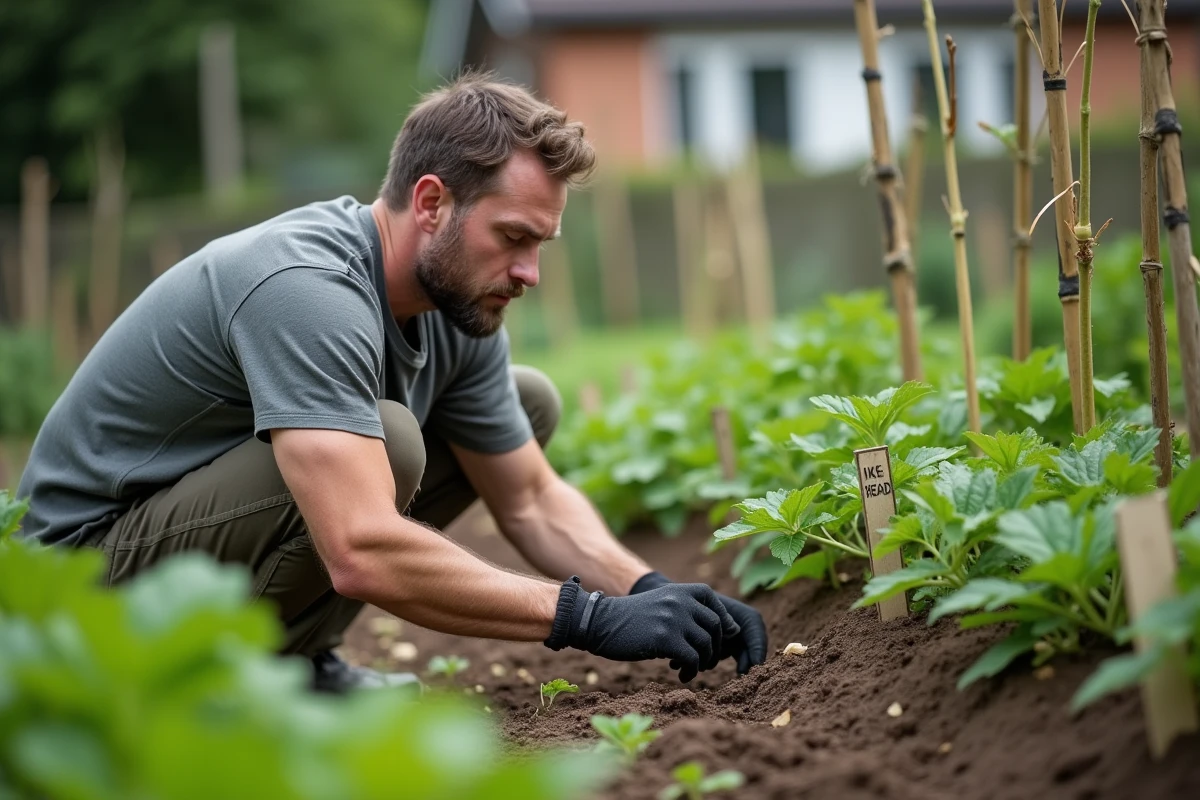
Watering every evening “just in case” is the most common reflex among beginners. It is also the one that causes the most problems: root rot, development of fungal diseases, water waste.
When to water your vegetables
Watering early in the morning reduces evaporation and diseases. The foliage has time to dry before nightfall, which limits mildew on tomatoes or zucchinis. If morning is impossible, water at the end of the day, but directly at the base, never on the leaves.
To know if the soil needs water, stick a finger five centimeters deep. If it feels cool, wait. If it is dry, water thoroughly once rather than a little each day. Deep watering encourages roots to grow down in search of moisture, making the plants more resistant to heat stress.
Mulching as an ally against drought
Mulching is the most cost-effective gesture in the vegetable garden. Straw, hay, dead leaves, dry clippings: cover the bare soil around the plants with a thickness of a few centimeters. This simple gesture:
- Significantly reduces evaporation, which spaces out watering
- Prevents most weeds from germinating by blocking light
- Protects the soil from extreme heat as well as heavy rains that compact the soil
- Decomposes slowly and nourishes the soil without additional intervention
Apply the mulch after the seedlings have emerged, when the young plants are at least ten centimeters tall. Mulching too early on direct sowings risks suffocating them.
Easy vegetables for a first vegetable garden: those that forgive mistakes
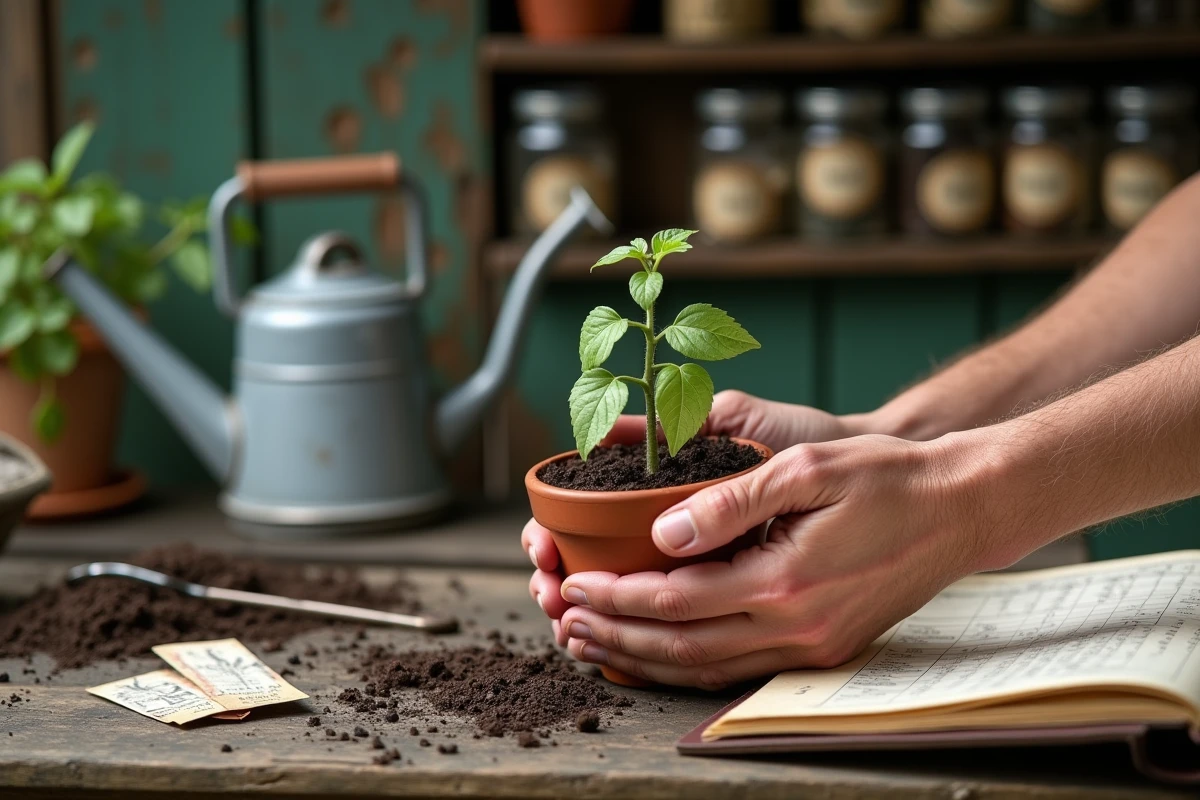
Rather than listing twenty varieties, let’s focus on a specific criterion: short-cycle vegetables tolerate beginner mistakes better. A short cycle means going from seed to harvest in a few weeks, allowing time to correct mistakes and reseed if a first attempt fails.
Radishes germinate in a few days and are harvested in three to four weeks. They allow for a quick understanding of the relationship between soil, watering, and results. Cut-and-come-again salads (mesclun, arugula) work on the same principle: sow, harvest leaf by leaf, and the plant regrows.
For plants bought in pots (tomatoes, zucchinis), the risk is reduced by planting them after the last spring frosts. Feedback varies on this point depending on the regions, but waiting until mid-May in a temperate climate remains a safe bet. In case of doubt, a cloche protects the plants from cool nights effortlessly.
Associations and rotation in the vegetable garden: prevent rather than treat
When starting out, the temptation is strong to treat as soon as an insect appears. However, associating the right plants with each other naturally reduces pests. Basil planted at the foot of tomatoes repels certain insects. Nasturtiums attract aphids away from vegetables. Beans fix nitrogen in the soil, benefiting neighboring crops.
Crop rotation consists of not replanting the same family of vegetables in the same spot from one year to the next. This avoids the accumulation of pests and the depletion of the soil of a specific nutrient. A small vegetable garden complicates this rotation, but even alternating between two locations produces a measurable effect.
- Tomatoes, peppers, and eggplants belong to the same family (nightshades): move them together
- Radishes, cabbages, and turnips are crucifers: assign them a different location each season
- Beans and peas (legumes) enrich the soil and should be placed before a nutrient-hungry crop like tomatoes
This prevention system costs zero euros and works without products. It is the most reliable approach for a sustainable vegetable garden, even on a small area of just a few square meters.
A successful first vegetable garden does not depend on the number of vegetables planted. Three well-cared-for varieties, properly prepared soil, and controlled watering produce more than a large neglected space. Each season in the garden teaches something, and the mistakes of the first year become the reflexes of the next.