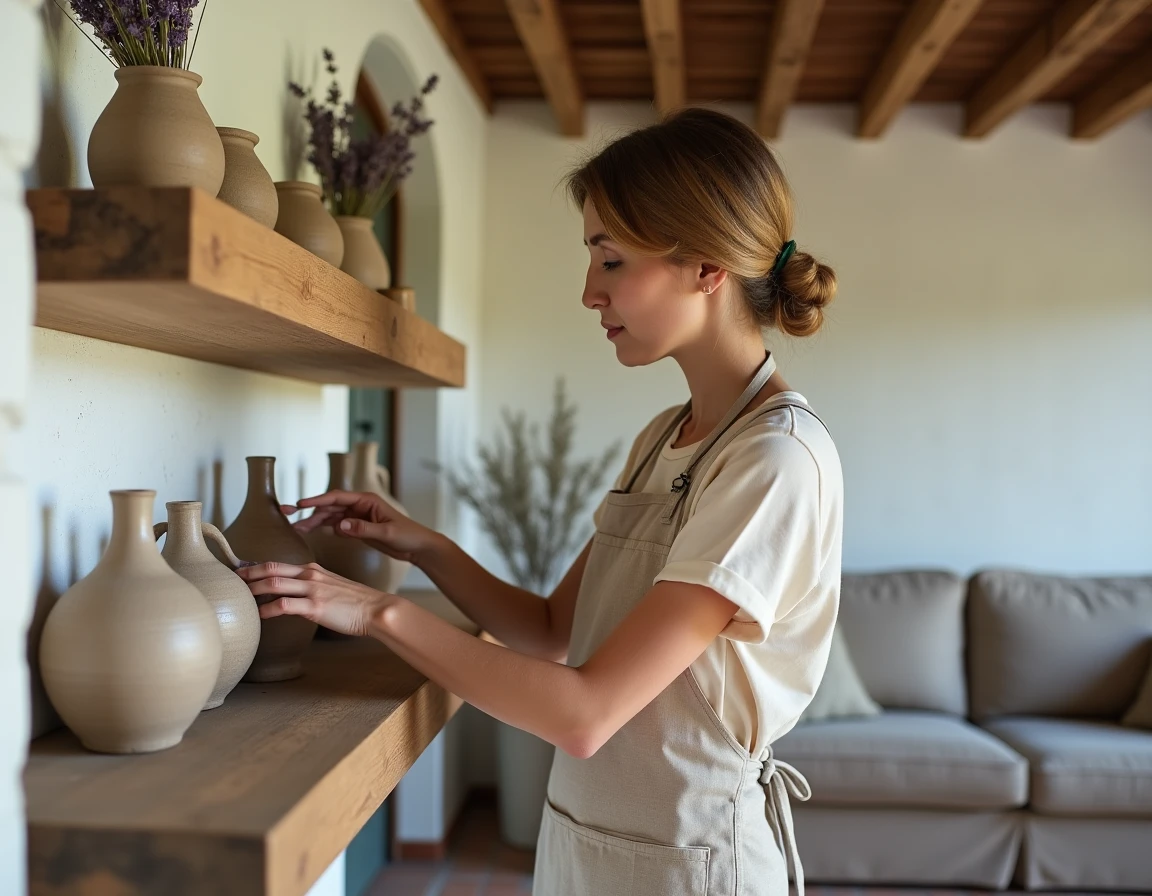
A handmade stoneware vase placed on a raw oak console changes the atmosphere of a room more than a brand new piece of furniture from a factory. The principle of artisanal interior decoration is based on this: each object made in a small workshop carries a texture, an irregularity, a color that industrial production does not reproduce. Here, we explore concrete ways to integrate these pieces into your home without turning your living room into an ethnic showroom.
Stoneware, fibers, raw wood: choosing artisanal materials suitable for each room
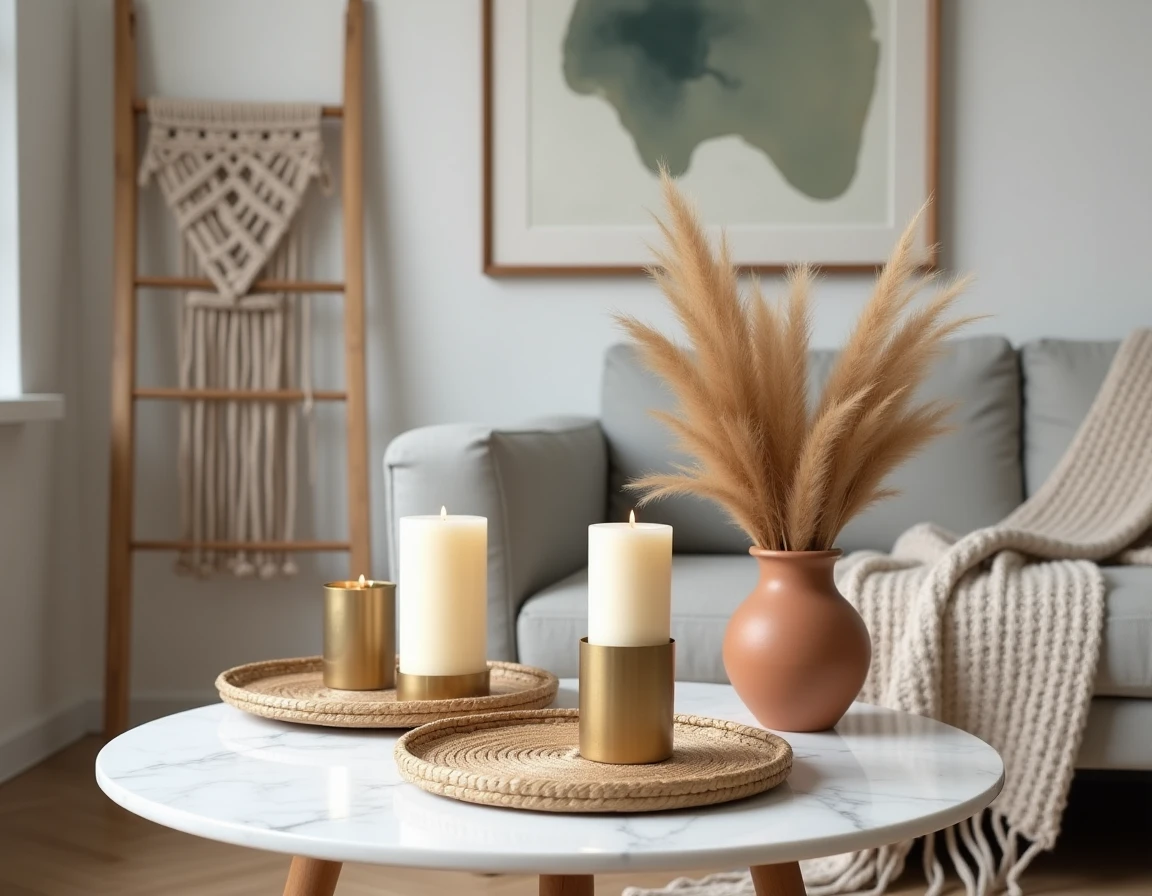
The choice of an artisanal material primarily depends on the usage constraints of the room. In the kitchen, stoneware dishes can withstand the dishwasher and thermal shocks much better than purely decorative ceramics. In a living room, a pendant light made of natural fibers (rattan, raffia, jute) visually lightens a low ceiling, provided that the socket remains accessible for changing the bulb.
For the bathroom, treated wood or naturally rot-resistant materials are preferred. A teak tray placed on the bathtub lasts for years. An untreated pine tray warps in just a few months.
Each artisanal material imposes its own maintenance and placement constraints. A handwoven textile (linen, thick cotton) can be confidently placed in a bedroom or office. In a high-traffic hallway, it wears out quickly. You save time by asking the question right at the time of purchase: where will this object live on a daily basis?
Some creators offer collections designed by living space, with artisanal pieces that fit well in both minimalist interiors and more elaborate decor, as can be discovered on https://www.bycarolineandco.fr/, which brings together decorative objects and handmade accessories.
Local artisanal decoration: sourcing pieces from a short radius
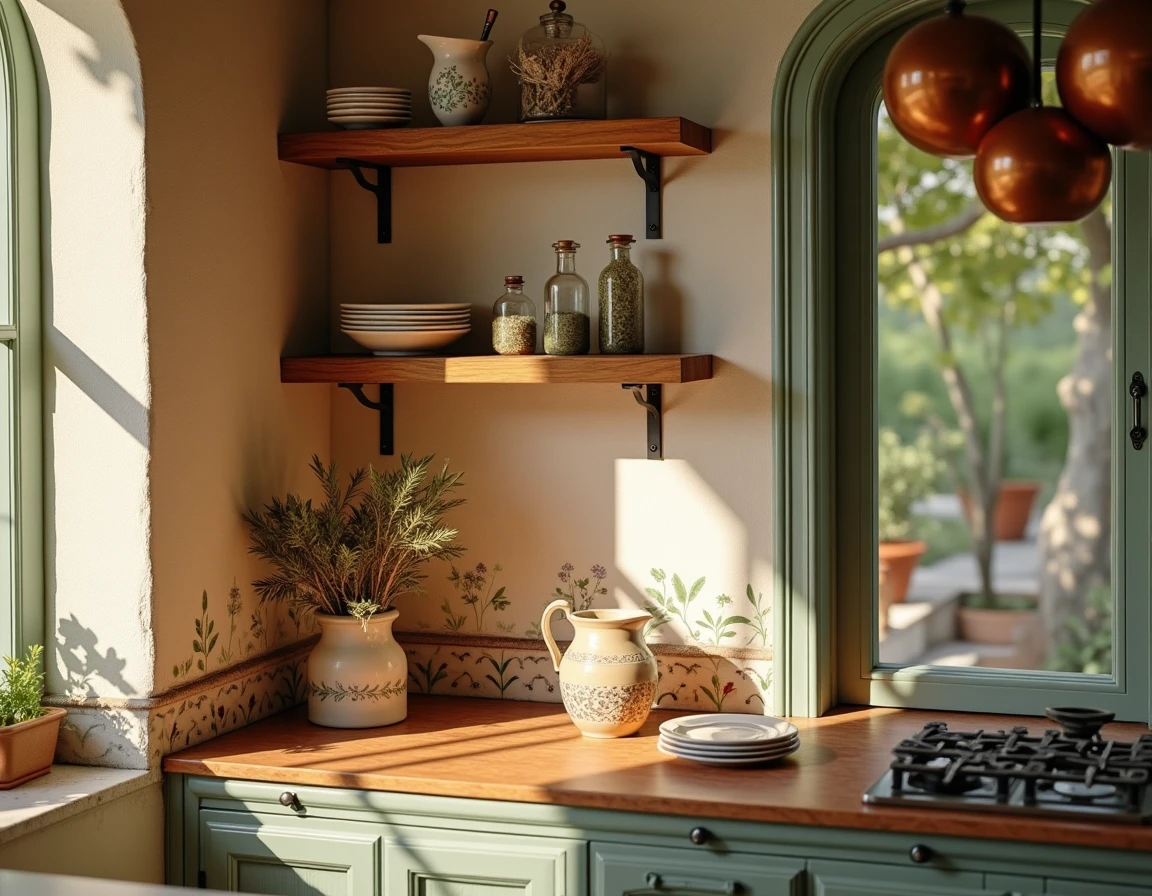
The most significant trend in artisanal decoration over the past two years has been the shift from generic “handmade” to ultra-local. We are no longer simply looking for an artisanal object. We are looking for an object made by an identifiable workshop located in our region or department.
Designer markets and open studios
Designer markets remain the most direct channel. You can touch the piece, discuss the manufacturing technique with the artisan, and check the finish. Many cities now organize monthly markets dedicated to decorative crafts (not food).
Open studio days allow for a deeper experience: seeing the wheel, the loom, or the workbench gives a precise idea of the quality of the work. An object whose original workshop is known has a higher decorative and emotional value.
Geolocated platforms and designer shops
Several online shops and specialized blogs, such as the PINHA blog, select artisanal pieces made on a small scale by local workshops. Their approach integrates these objects into bohemian and natural decor universes, which helps visualize how they will look in your home before purchasing.
Feedback varies on this point: some buyers find that the situational photos on these platforms accurately reflect the product, while others notice color discrepancies related to the very nature of craftsmanship, where two pieces from the same batch are never identical.
Craftsmanship and Japandi style: how one structures the other
Japandi (a blend of Japanese and Scandinavian aesthetics) has dominated decor searches for several seasons. What is less observed in general content is that craftsmanship does not decorate Japandi; it makes it possible. Without handmade pieces, the style quickly turns into bland, beige industrial furniture.
Specifically, the colors that work in this combination are sage green and terracotta, placed on simple artisanal supports:
- Stoneware tableware in neutral or terracotta tones, displayed on an open shelf in the kitchen or dining room
- Pendant lights made of woven fibers (rattan, palm) that add texture to the ceiling without overloading the space
- Textiles in raw linen or handwoven cotton for cushions and throws, in muted shades (ecru, sand, light gray)
The classic trap: accumulating too many artisanal pieces in the same space. In Japandi, three well-placed artisanal objects are enough to set the tone for an entire room. Beyond that, it slips into bohemian clutter, which is a different category altogether.
Lighting and showcasing artisanal objects in a living room
An artisanal object poorly lit loses half of its appeal. The texture of stoneware, the reliefs of a weaving, the grain of raw wood are only revealed with directional or grazing lighting.
In practice, you should place a small accent lamp (like an adjustable reading lamp) near a shelf where artisanal pieces are displayed. The angle of incidence creates shadows that enhance the relief. A central overhead light flattens everything and makes the object appear dull.
A spotlight angled on a handmade pottery piece radically changes the ambiance of the living room. It’s a minimal investment that transforms a simple object placed on a piece of furniture into a focal point of the room.
Combining natural light and artisanal pieces
Near a window, a blown glass or glazed ceramic object captures daylight and redistributes it. You can play with this property by placing a translucent vase on a windowsill facing south or west. The effect varies throughout the day, something no artificial lighting can replicate.
For wooden or fiber pieces, direct sunlight is less favorable: it fades natural dyes in a few months. They should be placed further back, in areas illuminated indirectly.
- Stoneware and glazed ceramics: withstand direct light well, to be placed near openings
- Raw and stained wood: indirect light or grazing artificial lighting to preserve color
- Natural fibers (rattan, raffia): avoid prolonged exposure to sunlight, which dries and weakens them
Artisanal decoration is not just about buying pretty handmade objects. It is a matter of placement, lighting, and selection by living space. A successful artisanal interior relies on a few well-sourced objects that are properly lit.