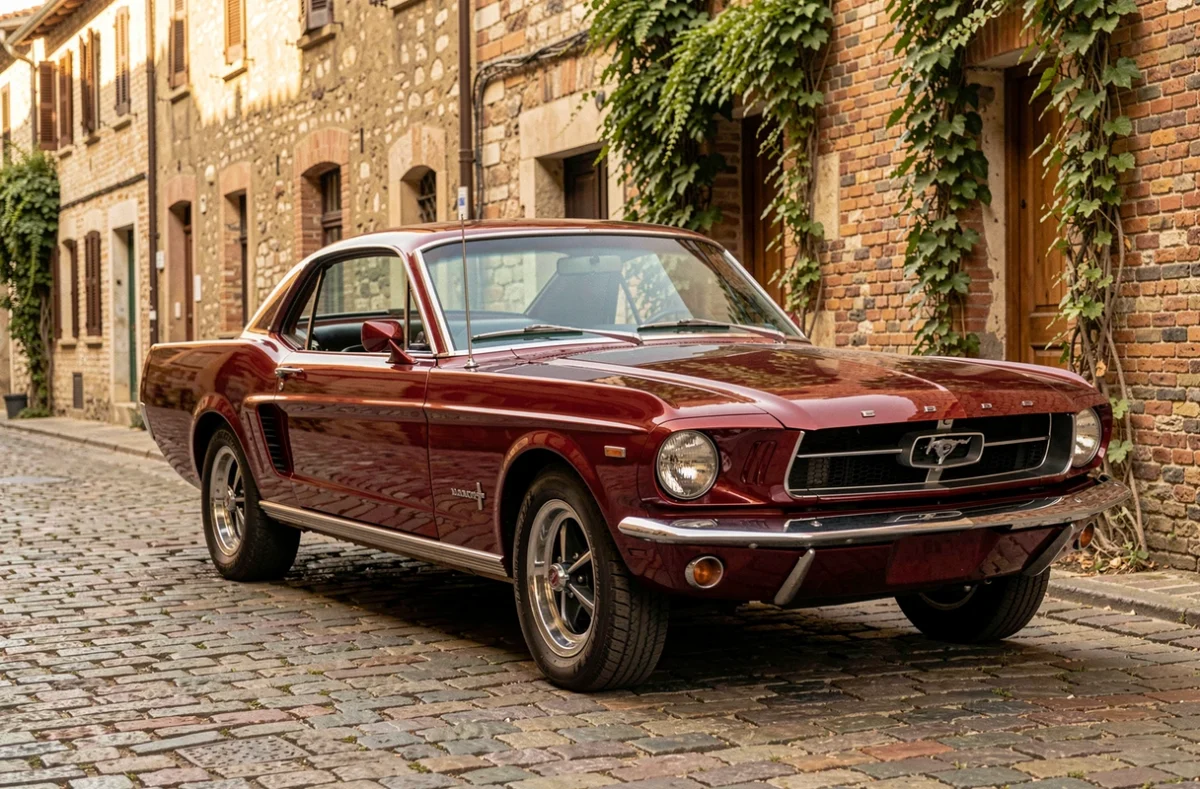
In French administrative terms, a classic car is a vehicle that is no longer in production and has retained its original specifications. This status does not automatically apply to every model over thirty years old: it requires a specific application for a classic vehicle registration certificate. Understanding this distinction helps clarify what it means to drive, exhibit or simply admire these vehicles at gatherings and dedicated shows.
Classic vehicle registration and roadworthiness tests: the administrative framework for vintage vehicles
Before taking to the road or visiting a show, it is important to understand the difference between an ordinary older vehicle and a vehicle officially recognised as a classic. A classic vehicle registration certificate is not simply an age-related label. The vehicle must no longer be in production, must retain its original specifications, and the owner must apply to the authorities for recognition.
This recognition changes how often the vehicle must undergo a roadworthiness test. For classic light vehicles first registered after 1960, the test is required every five years instead of every two. Vehicles first registered before 1960 are exempt. This is no minor difference: it affects maintenance costs and how owners can plan to use an older car regularly.
It is also important to distinguish between classic vehicle registration and classic car insurance. The former concerns the vehicle’s administrative status; the latter is an insurance product with its own eligibility criteria, such as limited annual mileage, a locked garage and a second vehicle. Having one does not automatically mean having the other.
Enthusiasts looking to learn more and explore classic cars to discover by era or make will find that this administrative process offers a useful first way to assess a model’s authenticity.
Low-emission zones and classic cars: what changes when driving in cities
One of the least understood aspects of the classic car world is access to city centres. Low-emission zones (LEZs) are becoming more common across France, and there is no uniform national exemption for classic vehicles.
Each metropolitan area sets its own rules. Some local authorities grant temporary exemptions on application, while others have no specific provisions. Anyone planning a classic car tour through several cities must therefore check with each relevant local authority.
This affects how outings and touring rallies are planned. Local car clubs now factor this restriction into their routes, favouring departmental roads and town centres that are not subject to restrictions. It is something to check before every journey.
Classic car shows and gatherings in France
France hosts several major events where visitors can see classic vehicles up close. Rétromobile, held every year at Paris Expo Porte de Versailles, features more than a thousand cars. The show also includes spare-parts dealers, auction houses and automotive art galleries.
Other events take place throughout the year:
- Epoqu’Auto at Eurexpo Lyon, with a focus on restoration and spare parts and a strong presence from regional clubs
- Le Mans Classic, where historic models take to the circuit in conditions close to those of period competition
- Auto Moto Classic in Toulouse and Auto Moto Rétro in Le Mans, two regional shows featuring both classic cars and motorcycles
Beyond the major shows, monthly car gatherings in car parks take place in most regions. These informal meet-ups offer a chance to get close to the vehicles, chat with their owners and learn about the restoration choices made for each model.
Discovering classic cars beyond the shows
Automotive museums offer a different perspective from car shows. Unlike one-off events, they present vehicles within a structured historical context, with technical explanations of how engineering and styling have evolved.
Several other ways to explore the world of classic cars are also gaining popularity:
- Renting a classic car for a weekend or a day from specialist providers, who supply a vehicle that is insured and maintained
- Touring rallies organised by clubs, combining scenic drives with food or heritage stops
- Spare-parts fairs, where visitors can find components that are no longer available through conventional retailers
Joining a classic car club is still the most direct way to get involved. Clubs affiliated with the Fédération Française des Véhicules d’Époque (FFVE) organise regular outings, provide technical support among members and sometimes negotiate discounts on insurance or maintenance.
Investment or passion: two different approaches
Some classic models increase in value over time, but the profitability of a classic vehicle depends on very specific factors: rarity, originality, documented history and make. Restoration, storage and insurance costs often eat into the actual return. Treating a classic car as an investment requires in-depth market knowledge and the ability to tie up capital for several years.
Most classic car owners in France are driven by passion, not financial calculations. The pleasure of driving a manual car without electronic assistance, the sound of a naturally aspirated engine and the reactions of passers-by on a Sunday drive: none of these appear on a balance sheet, but they help explain the enduring appeal of classic cars.