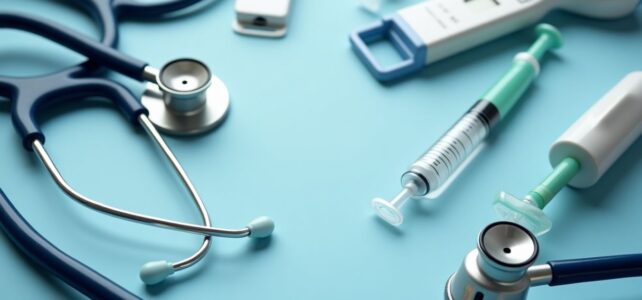
In the modern world of health, nursing equipment plays a central role in improving and maintaining patient well-being. As medical needs continue to evolve, the equipment used by healthcare professionals must also adapt and advance.
This sector, although often overshadowed by more spectacular medical breakthroughs, is fundamentally important in the delivery of care.
Essential Daily Equipment
Nurses rely on a range of nursing equipment to perform their daily tasks with efficiency and precision.
- Stethoscopes: Iconic instruments used to listen to the internal sounds of the body, such as heartbeats and breathing.
- Blood pressure monitors: Essential for measuring blood pressure, these devices allow for quick assessment of a patient’s cardiovascular status.
- Thermometers: These tools measure body temperature, a vital parameter for diagnosing fevers and infections.
- Pulse oximeters: By monitoring blood oxygen saturation, they help quickly detect potential respiratory issues.
Technological Evolution in Nursing Equipment
Technology has brought significant innovations that have transformed the landscape of nursing equipment.
With the advent of computing and digital networks, medical devices are becoming increasingly smart.
Multiparameter monitors, for example, offer continuous real-time monitoring of patients’ vital signs, integrated into advanced alert systems.
Electronic infusion pumps ensure precise and controlled administration of medications, thereby reducing human errors.
Portable devices such as modernized glucose meters allow for quick and accurate blood glucose measurement, essential for diabetes management.
The Importance of Ergonomics in Medical Equipment
Ergonomics plays a crucial role in the development of nursing equipment to ensure comfort and efficiency.
- Adjustable hospital beds are designed to provide optimal comfort for patients while allowing nurses to work at an adequate height, thus reducing the risk of back injuries.
- Ergonomically organized care carts facilitate quick access to necessary supplies and tools, maximizing care efficiency and minimizing physical stress on caregivers.
- Lightweight portable equipment allows for increased mobility and prolonged use without excessive fatigue, essential for nurses who spend long hours on their feet.
Safety in the Use of Medical Equipment
Ensuring the safety of patients and healthcare professionals remains a priority in the design and use of nursing equipment.
Devices such as safety syringes are designed to prevent accidental needle sticks, thereby reducing the risk of infection transmission.
Sharps containers ensure the safe disposal of needles and cutting instruments.
In high-risk environments, protective gloves and masks are essential to minimize exposure to pathogens.
Advanced disinfection protocols for reusable equipment are equally critical, ensuring that each patient receives care in a safe and clean environment.