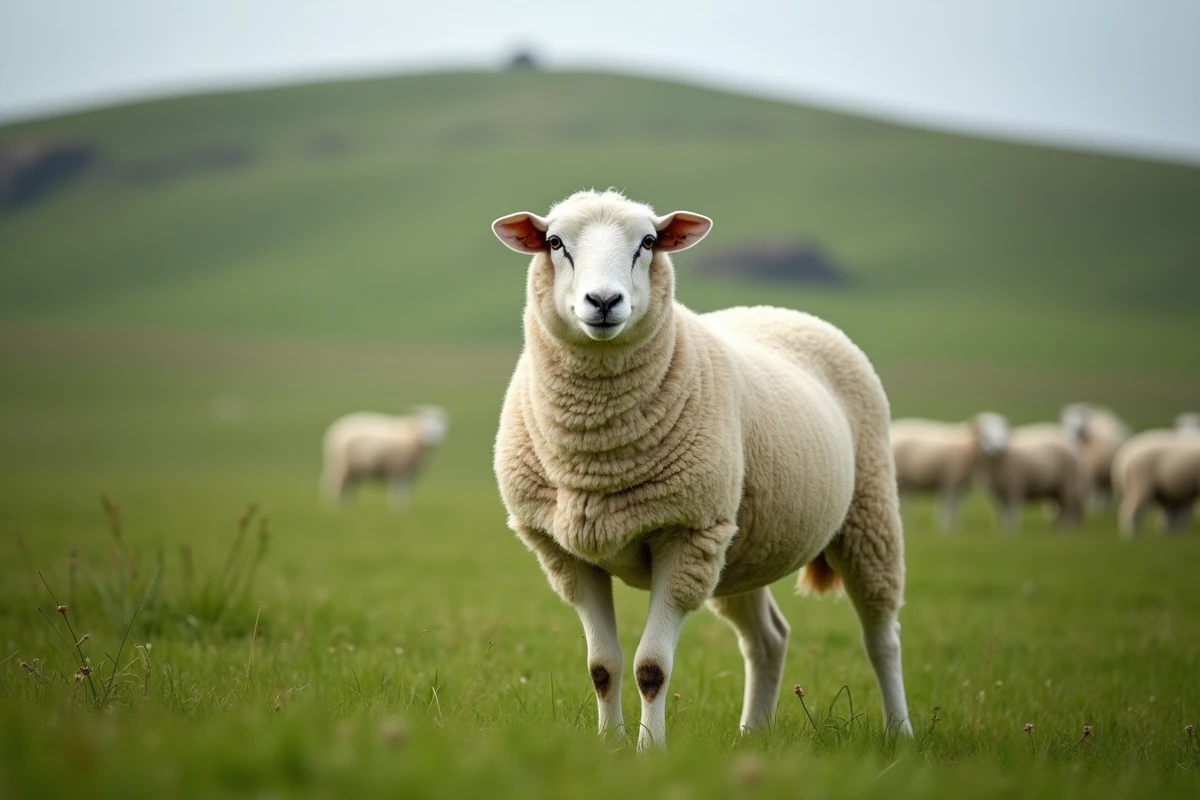
Most sheep lose their fleece only through shearing, but a handful of breeds naturally shed. The Exlana, selected for its ability to shed its wool without human intervention, defies the norms of traditional sheep farming.
This feature calls into question the necessity of shearing in certain farms and disrupts established practices. Farmers see it as a pragmatic response to animal welfare and efficiency challenges.
The Exlana Sheep: A Recent Breed That Disrupts Farming Norms
Born in the United Kingdom, the Exlana sheep breed breaks long-standing habits where wool production reigned supreme. Its story began in the 2000s, the result of a thoughtful crossbreeding between hardy lines and domestic sheep selected for natural shedding. This is not just a minor detail: it is a direct response to the realities of modern farming.
Here are the aspects that motivate this selection choice:
- absence of shearing,
- reduction of human intervention,
- increased adaptability to varied environments.
The Exlana fully aligns with the current trend that values the hardiness and autonomy of the flock while preserving a rare genetic heritage. This robust sheep does not settle for mere adaptation: it combines disease resistance, remarkable longevity, and the ability to thrive without assistance in less hospitable terrains. Its moderate size, coupled with balanced growth, appeals for both eco-pasturing and maintenance of challenging spaces, in France and elsewhere on the continent.
The fleece of the Exlana, which falls off naturally in spring, disrupts the traditional economic model of wool. This phenomenon, inherited from a few ancient breeds, reverses the logic that made shearing seem obvious. By eliminating this step, the farmer reduces the stress on the animals, lightens his workload, and gains valuable time.
The daily benefits are numerous:
- less handling,
- reduced risks related to external parasites,
- and better adaptation to extensive farming practices.
To delve deeper into the morphology, robustness, and specific advantages of this breed, the characteristics of the Exlana sheep on Animal News provide valuable insights. Interest in the Exlana continues to grow, driven by agroecological transition and the desire to introduce more diversity in the management of rural and peri-urban spaces. The reintegration of these hardy sheep through eco-pasturing fosters a collective reflection on biodiversity, resilience, and the future of agriculture.
What Are the Physical and Behavioral Characteristics of the Exlana?
The Exlana stands out sharply from other sheep with its unique appearance. Crossbreeding with various hardy breeds, chosen for their natural shedding, results in an animal whose fleece falls off without intervention. This characteristic, reminiscent of the ancestors of the Soay or the Cameroon sheep, distinguishes the Exlana among domestic sheep. When the warm season arrives, the coat lightens and reveals healthy skin, less conducive to parasite proliferation.
Its morphology evokes simplicity and efficiency: light to moderate weight in both ewes and rams, fine bone structure, expressive head, and robust limbs. Sometimes, its profile resembles that of the mouflon, a nod to ancient lines such as the Soay.
In terms of temperament, the Exlana shines with its hardiness: it resists diseases, thrives on poor forage, and demonstrates appreciable autonomy. The flocks display great cohesion, reducing the need for constant monitoring. Farmers engaged in extensive systems, or those focusing on eco-pasturing, appreciate this adaptability.
The remarkable points of the breed are clear:
- Natural resistance: ability to cope with parasites and climatic variations.
- Adaptability: calm behavior, autonomous pasture management.
- Longevity: life expectancy higher than that of many traditional breeds.
Animal Welfare and Shearing Management: What the Exlana Changes for Farmers
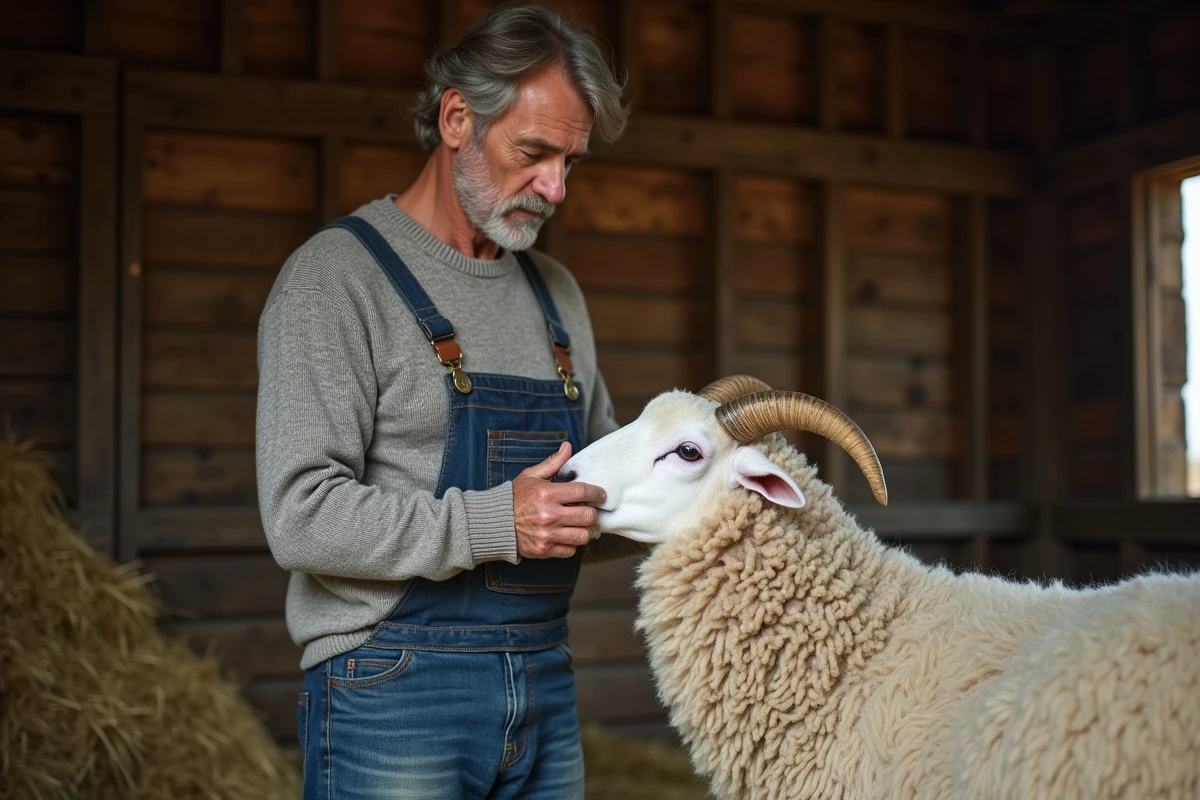
The Exlana reshuffles the cards regarding shearing and animal welfare. Born from crossbreeding aimed at promoting natural shedding, this breed frees the farmer from the annual chore of shearing, often seen as a burden for both man and flock. Now, the fleece falls off by itself in spring. No more stress, no more injuries caused by handling. This trait, inherited from primitive lines, also curbs the proliferation of external parasites that usually find refuge in dense wool.
For the farmer, management becomes simpler all at once. No need to plan shearing, purchase expensive equipment, or mobilize a seasonal team. The Exlana allows for a lighter intervention rhythm and significantly reduces expenses. The flocks, adapted to extensive pastures, make the most of grass and hay while requiring less close attention. This autonomy promotes the health of the flock and reduces pressure on the animals.
Requirements related to animal welfare are now imposed in most agricultural sectors. The Exlana arrives at a crucial time: by limiting invasive interventions, this breed contributes to sustainably transforming the lives of flocks. For farmers who focus on eco-pasturing, keen to preserve biodiversity or regenerate fragile environments, this domestic species proves to be a solid and reliable partner. Throughout the seasons, the Exlana thus establishes itself as a symbol of rethought farming, where the sheep regains its place in the rural landscape, free from chains or artifices.