Indoor plants are everywhere, or almost. In nurseries and florists, of course, but also in garden centers and supermarkets, and sometimes even at the local grocer! The key is to make a wise choice and return your purchases in good conditions:
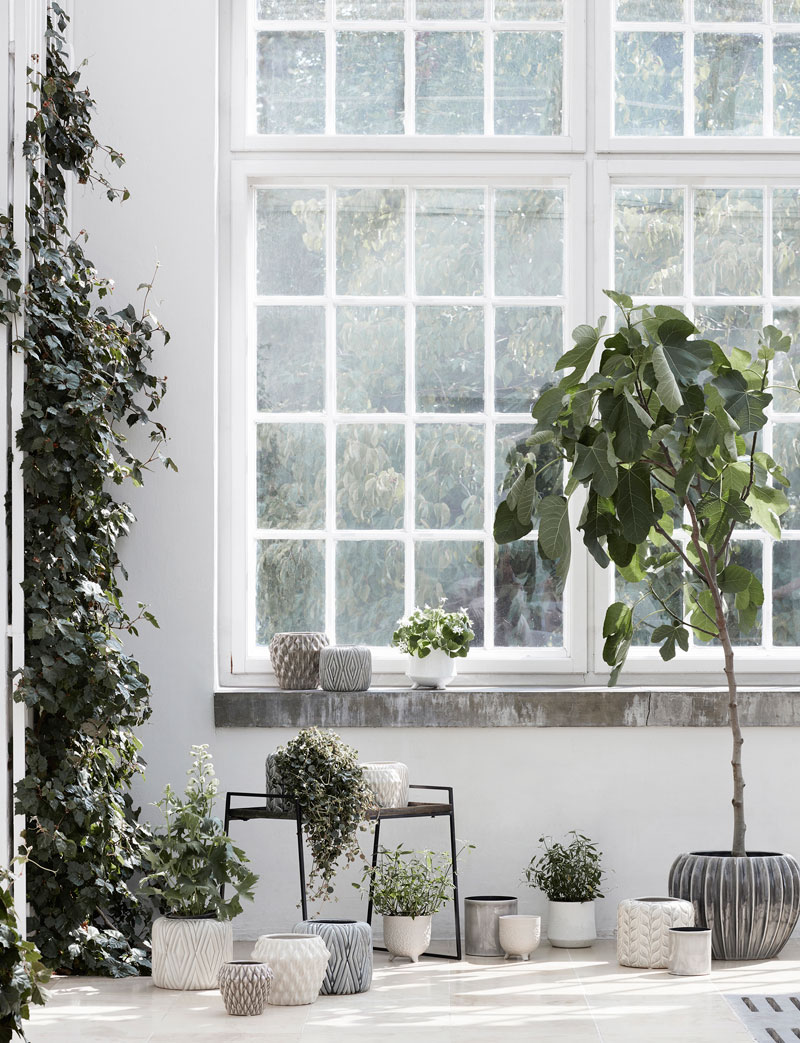
Broste Copenhagen Pots 1 — Where to buy indoor plants?
Nursery
The best supplier of exotic plants is often the nursery. Very different from the industrial producer, who raises only one or two species but by the thousands of individuals, the ideal supplier is the collector nursery, which offers a selection of different plants, or a wide range in a given specialty (begonias, hibiscus…). Only a few specimens of each species or variety are found, but grown with love in the old style, in soil worthy of the name, by someone who knows what they are talking about.
This figure, once a staple of the horticultural landscape, is sadly disappearing at home, due to economic conditions. All the more reason to prefer the few survivors who will never disappoint and who will give you sound advice.
It is at specialized exhibitions that you will have the best chance of meeting them. Their prices are generally a bit higher than average, but the real “plus” of the service is worth it.
GARDEN CENTERS
At least for the more dynamic among them, garden centers have improved significantly.
Prices are often attractive and you will find the best selection where the clientele is abundant and the flow assured.
Perhaps you should pursue the sellers a bit. On the other hand, the choice of plants is well worth the detour, and you may find very rare ones.
Be aware that the plants you are going to buy come from industrial crops and are drip-fed. A quick transplant into a richer environment will allow for the proper adaptation of your new residents.
FLORISTS
For the most part, florists offer a more limited and random selection of semi-industrial origin plants, as they prefer — it’s their function — cut flowers.
So choose a florist who will not give you the invariable and unique advice: “Water twice a week”, but will provide you with relevant information based on your plants.
For the rest, rely on your own knowledge and try to seize the opportunity. Prices, unpredictable, are sometimes very advantageous.
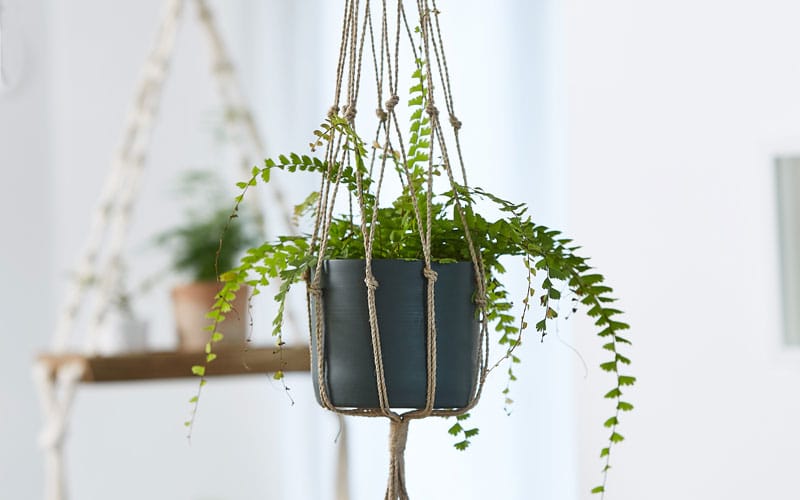
Nature and Discovery MARKETS
Plants sold at markets have the advantage of freshness. It is wise, in any case, to buy only when it is mild.
On the other hand, the selection is necessarily very small, advice is rare, and prices very variable. Opportunity makes the thief!
Mail Order
Mail order purchasing is the most random, because you are buying blindly. However, if you want to get plants from a nursery far from your home, you will need to deal with a specialist who will send you the right plant, in precise quality, and will remain attentive in case of difficulty.
In the catalogs of large generalist companies, offering all kinds of plants, the varieties remain quite limited, and often imprecise, as well as size indications.
Generally, your potential interlocutors are sales representatives, not nurseries; and the leaves provided in the shipments only give rudimentary advice, not always very reliable.
Finally, prices, once very interesting, seem to correspond to the highest market prices.
Food Stores
Indoor plants are increasingly found here, depending on the seasons, although this shopping place is a bit unexpected. Since the sellers are not specialized there, you need to know exactly what you want.
Make regular inspections and buy on the day of arrival.
You will never have much choice, but prices will often be very competitive.
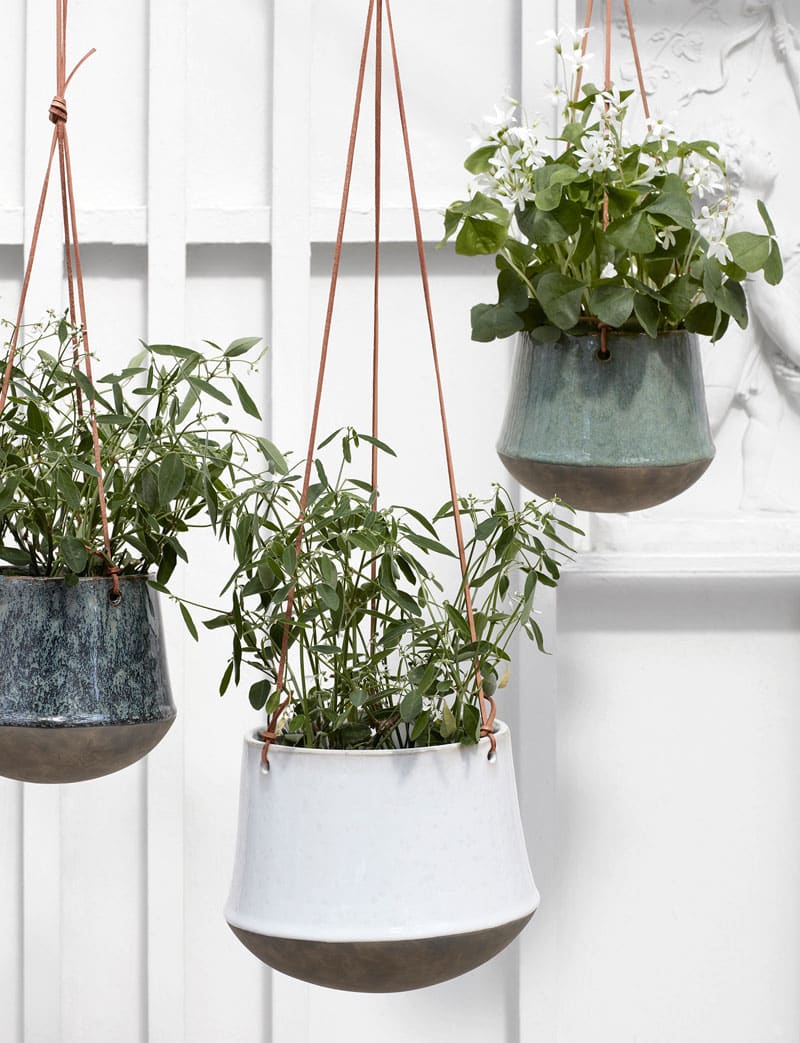
2 — How to choose an indoor plant before buying? Broste Copenhagen Pots
- Wherever you are, keep your eyes open: even if you are not a specialist, the difference between a healthy plant and a weak plant is still visible.
- Use your common sense, just like when buying vegetables at the market, and refuse plants with rotten or dull leaves.
- In any case, the pot must be reasonably proportioned to the size of the plant, and the soil slightly cool.
- THE RIGHT TIME
- Flowering plants, with a few exceptions, have peak seasons. The most popular (azaleas, cyclamens…) are easy to spot, as they fill the stalls. This is when you should buy, as prices and quality are at their best.
- In supermarkets and florists, visit often to get familiar with what’s available upon your arrival (you can ask in advance when they take place). On one hand, you benefit from the best choice of the range; on the other hand, the plants will not have been kept in an inappropriate environment for them.
- THE RIGHT TIME
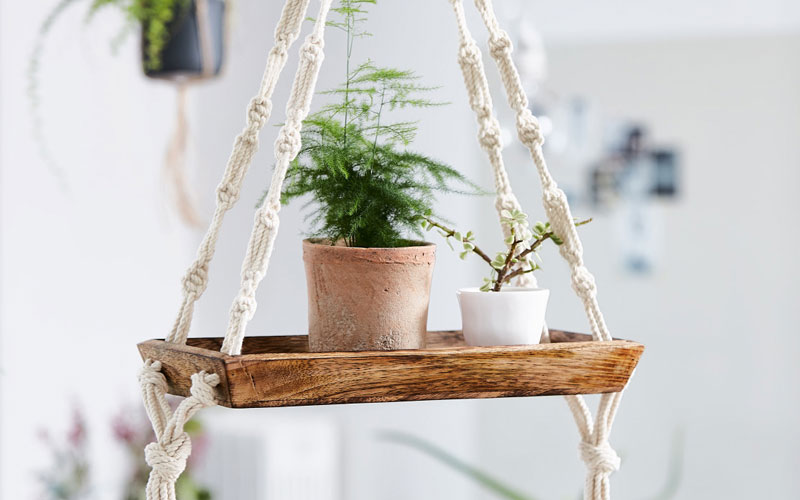 Nature & Discoveries
3 — Transporting a plant without damaging it
- Transport is not trivial; it can even be deadly for previously healthy plants.
- All fleshy and branching plants (e.g. Plectranthus), which are both heavy and brittle, must be handled and kept in packaging that will prevent swinging, wind adherence, and snagging.
- Large plants, likely to protrude through the roof or window of the car, will be completely wrapped in waterproof canvas or plastic, to prevent the wind from creating a “hairdryer” effect that is disastrous.
- Once loaded into the car, plants should not be exposed to the sun for more than half an hour, as they can “cook” in any season. A metallic plastic or white paper will serve as screens.
- In winter, five minutes of exposure to even modest cold can be enough to damage or kill a tropical plant, especially if it is in bloom. Multiply insulating layers (paper, plastic, fabric) around the subject before removing it and limit the journey to the strict minimum.
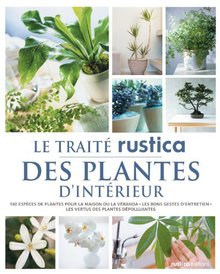
These tips are drawn from the Rustica Treatise on indoor plants.
Opening photo: Indoor plant — Truffaut
Tag: Indoor plants